What the
organization does
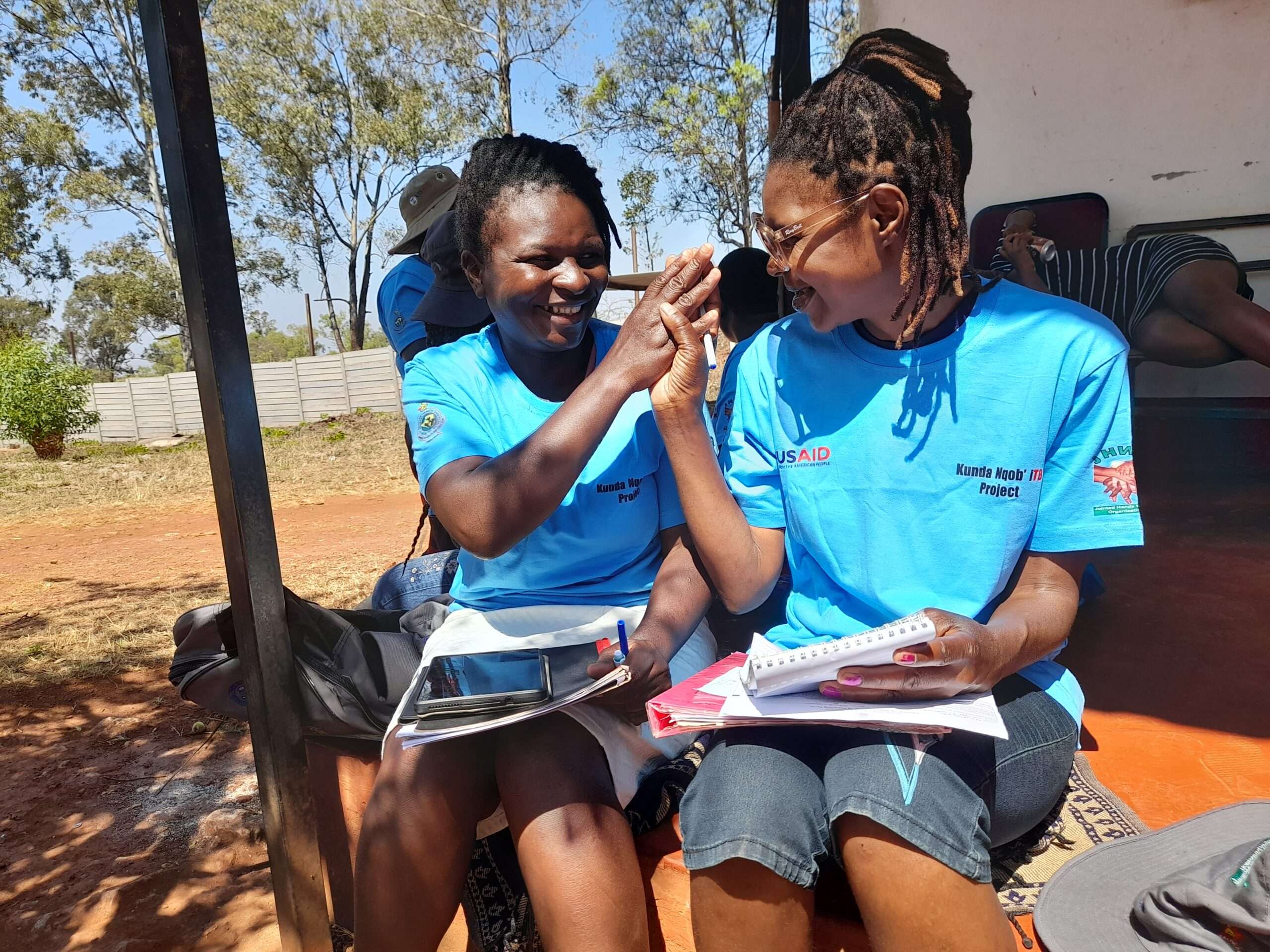
Founded in 2004, JHWO is a national development and advocacy organization dedicated to working with communities to advocate against harmful norms, policies, practices, and behaviors whilst mitigating their impact and ensuring vulnerable and marginalized groups reach their full potential.
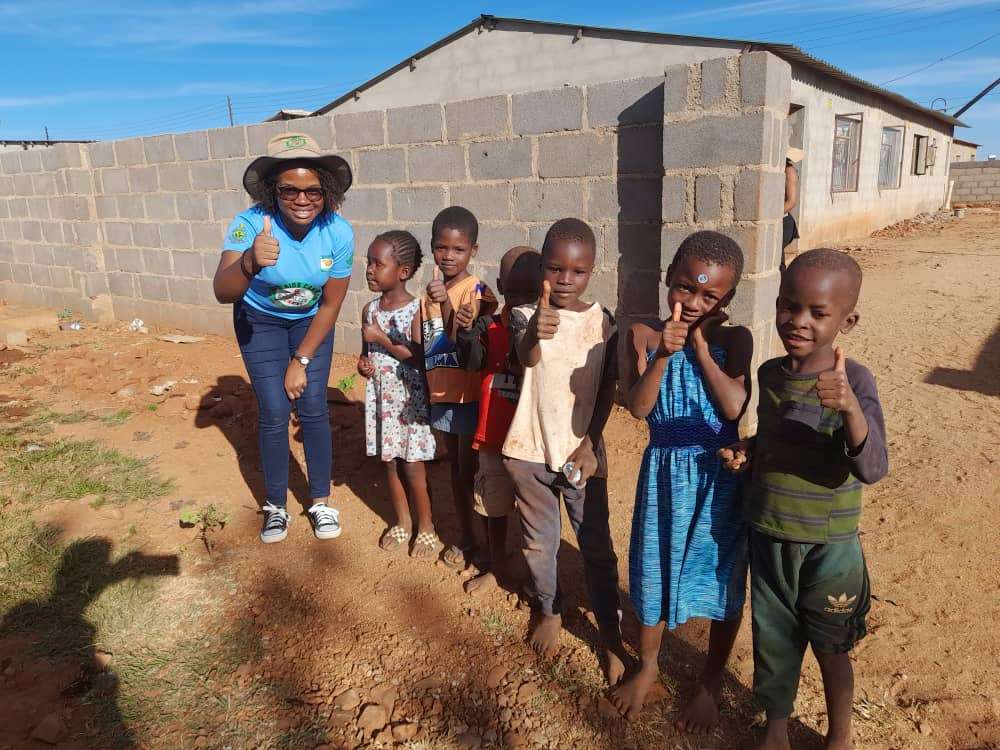
Our work spans across various sectors including healthcare, social development education, disaster risk management providing community systems strengthening, and technical support to related Ministries. We strive to address the pressing issues communities face and work towards sustainable solutions.
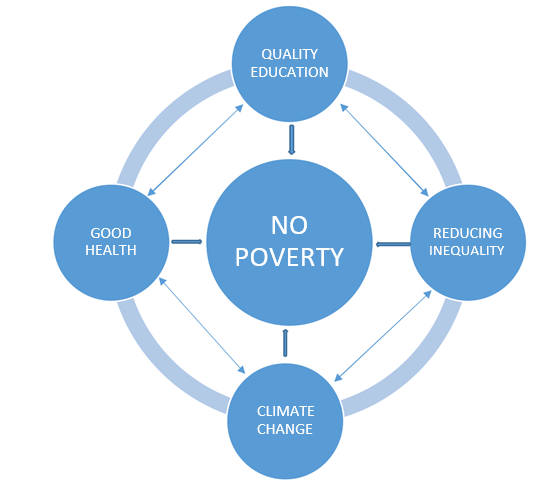
As stipulated in our current strategic plan (2025-2030), our work is guided by five strategic pillars which are Health, Social Protection and Development, Disaster Risk Management and Resilience Strengthening, Climate Change, and Strategic Information and Knowledge Management.
Strategic Pillars
Business Model
Projects
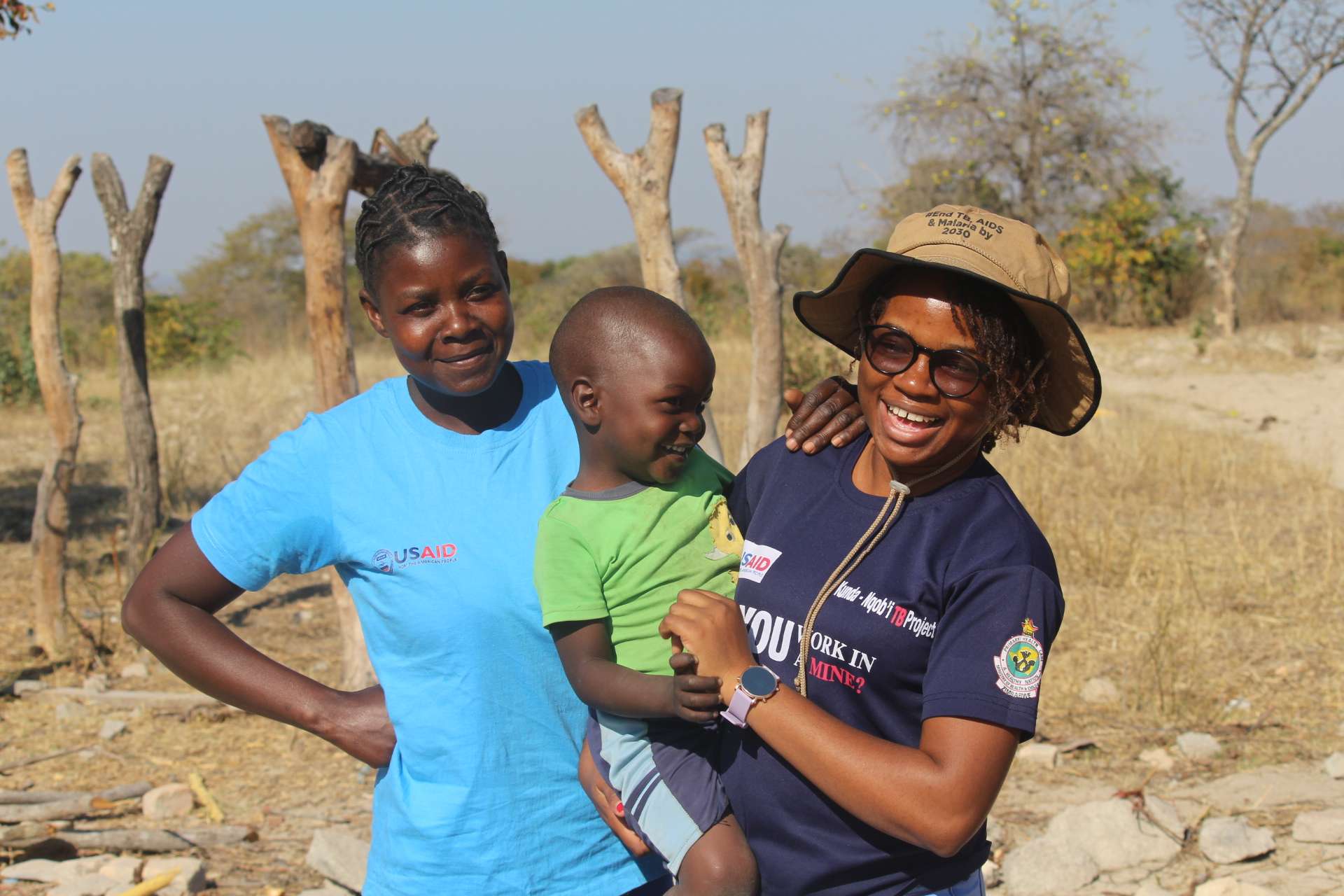
We seek to achieve this through:
Our Health Pillar focuses on improving health outcomes and expanding equitable access to quality healthcare across Zimbabwe. Anchored in Sustainable Development Goal 3 (Good Health and Well-Being), this pillar is guided by a core commitment to equity, ensuring that no one is left behind.
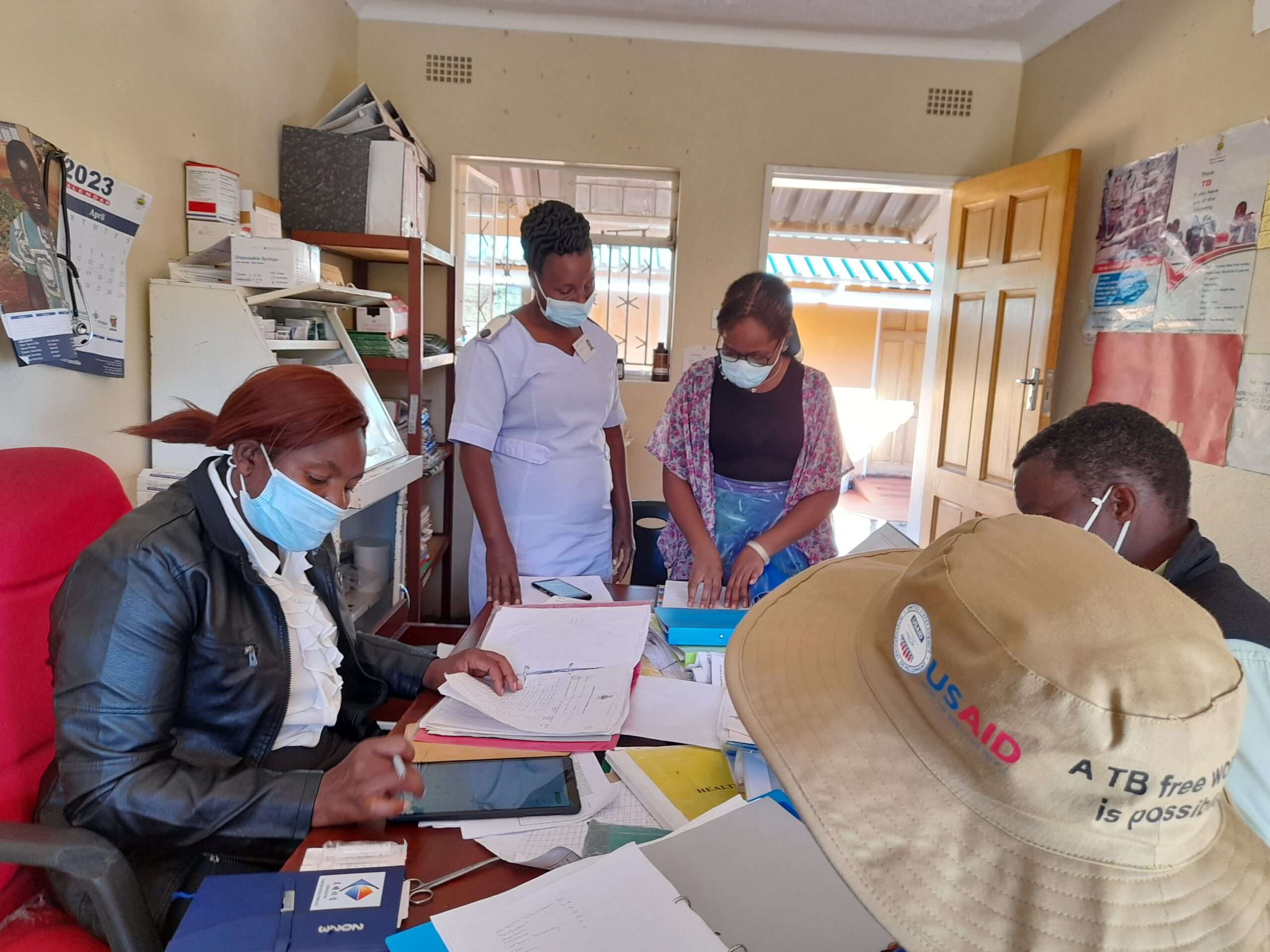
We address both communicable and non-communicable diseases through integrated, community-driven solutions that combine prevention, treatment, research, and health-system strengthening. By leveraging existing health infrastructure and introducing innovative approaches, we aim to reduce health disparities and build a resilient health system capable of responding to current and future health threats.
-
Our work blends international best practices with locally tailored interventions, reflecting Zimbabwe’s unique socio-economic and cultural context and supporting sustainable progress toward Universal Health Coverage (UHC).
Our Health Focus Areas include :
1. Reducing the Burden of Communicable Diseases
We work to prevent new infections and improve treatment outcomes by:
(a)Reducing new HIV infections and expanding access to quality treatment and care.
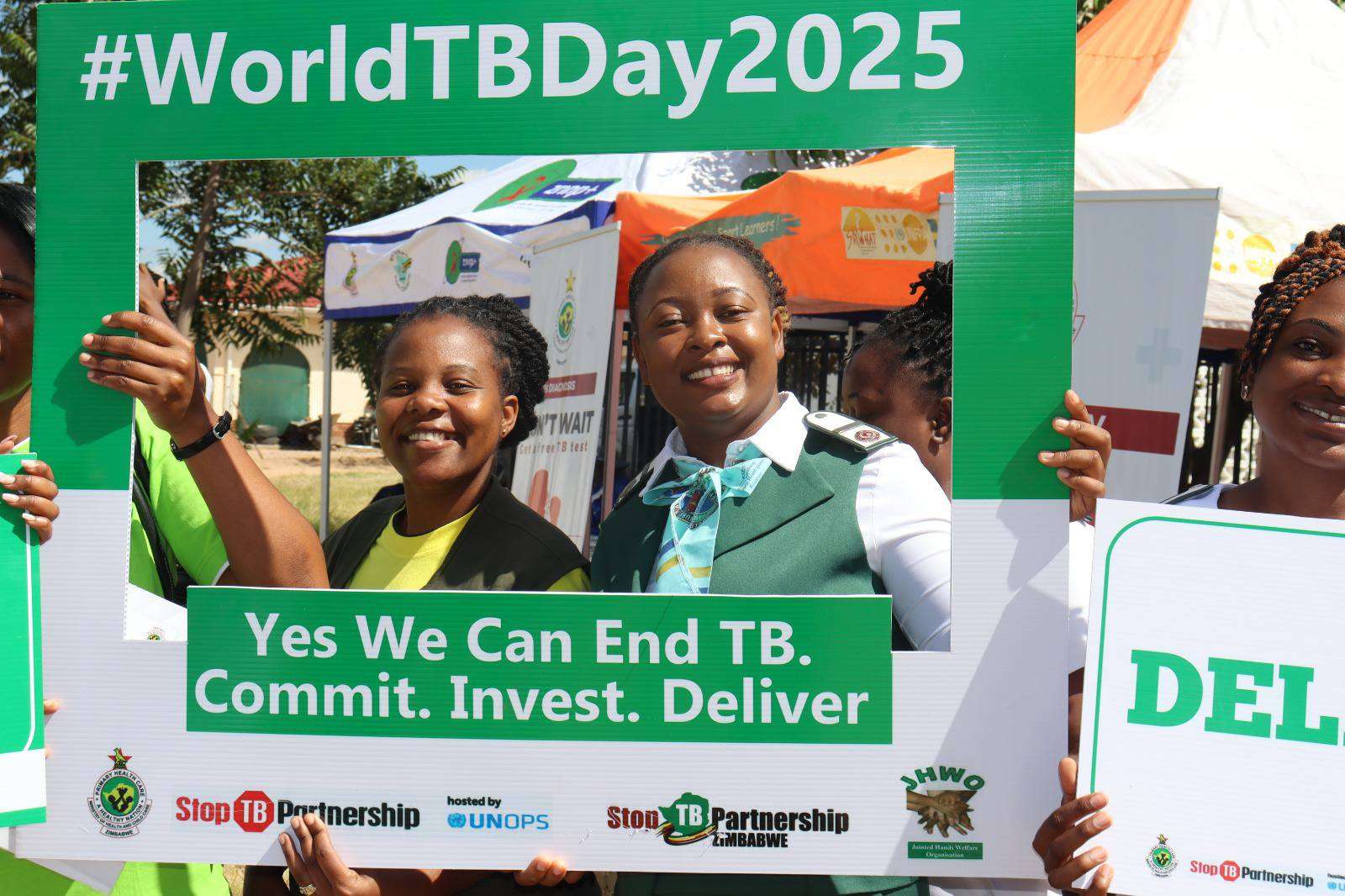
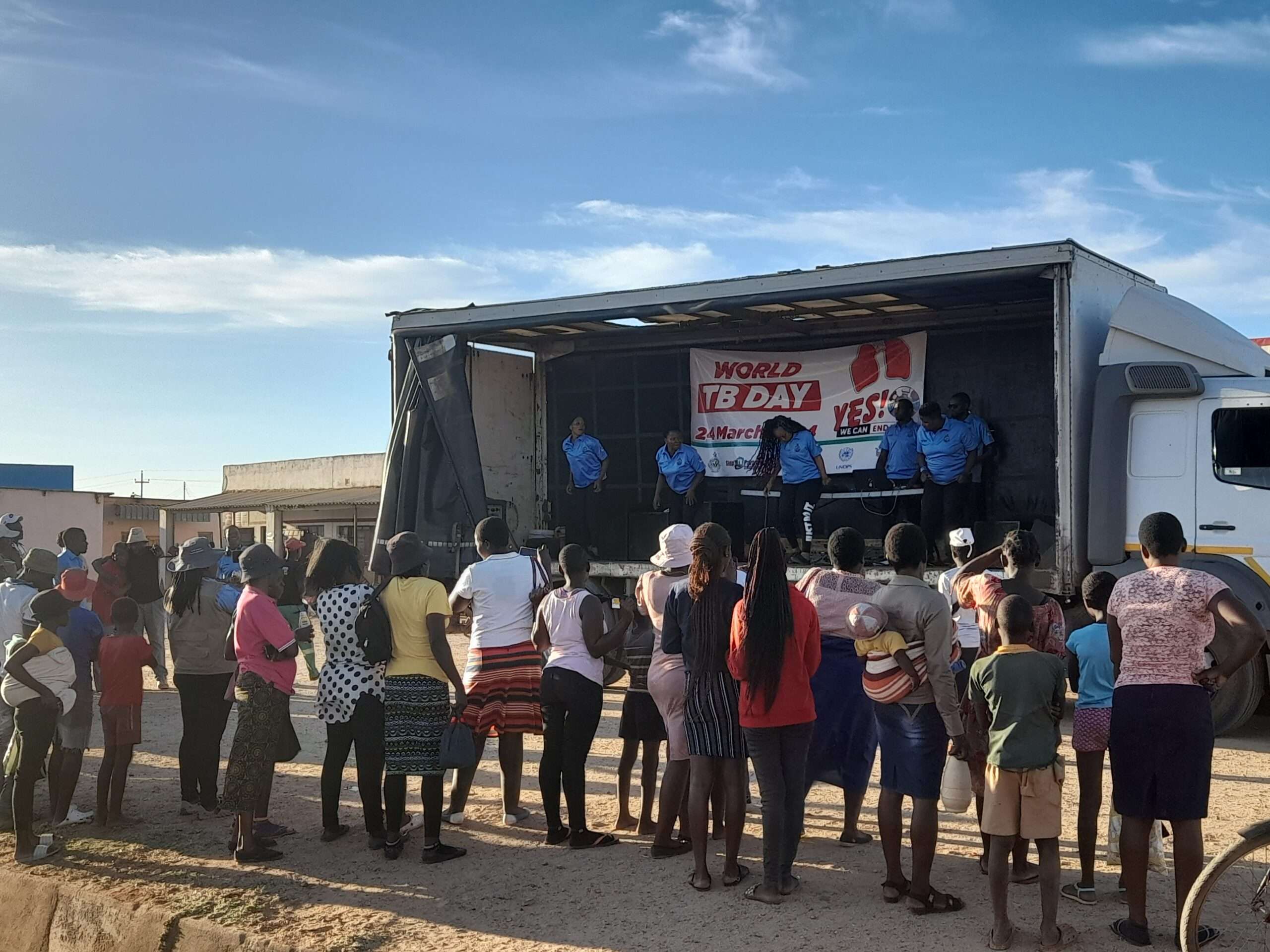
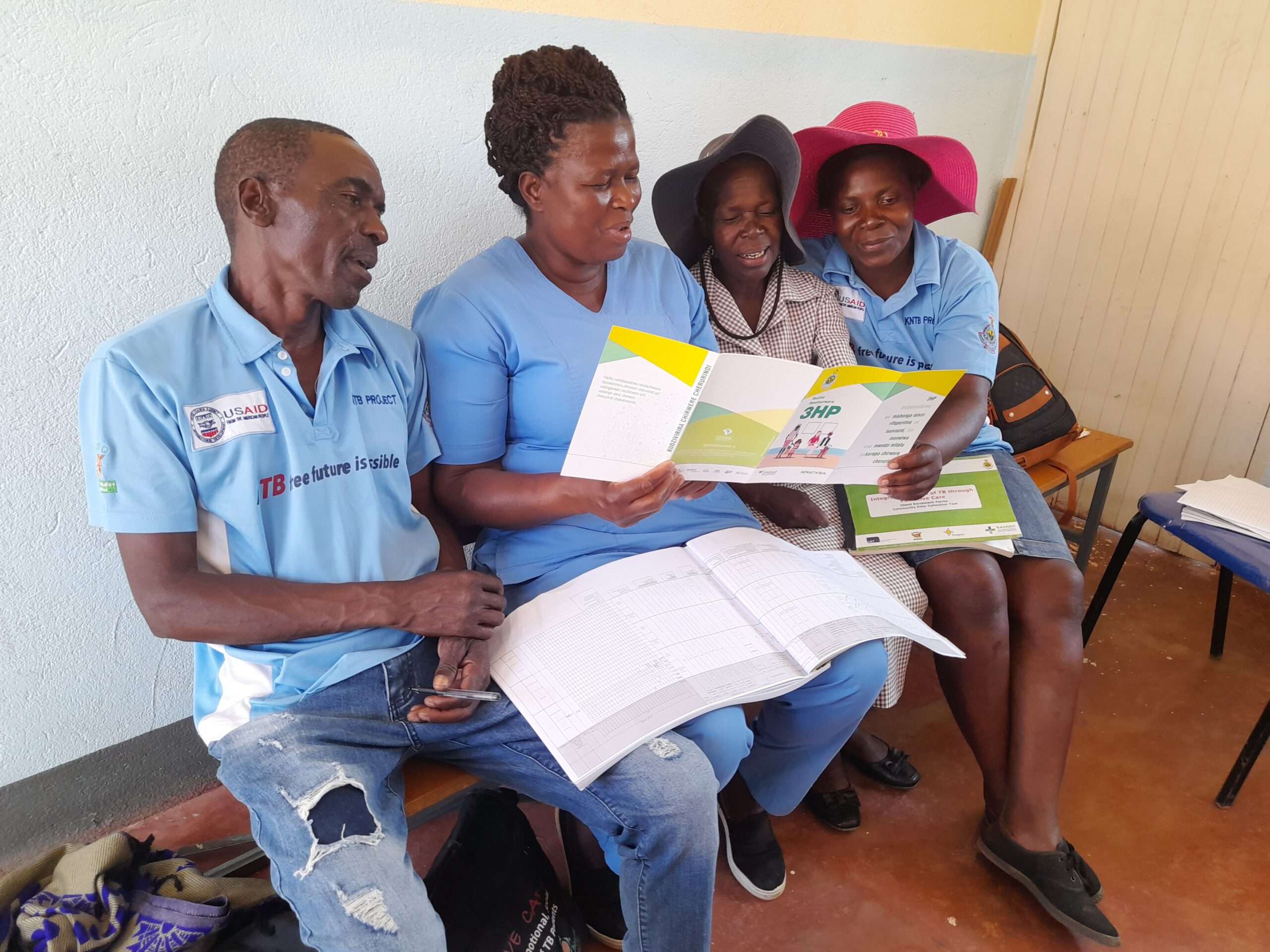
(b) Strengthening TB prevention, diagnosis, and treatment, with a focus on drug-resistant TB (DR-TB).
2. Addressing the Rising Impact of Non-Communicable Diseases (NCDs)
We respond to the growing NCD burden through:
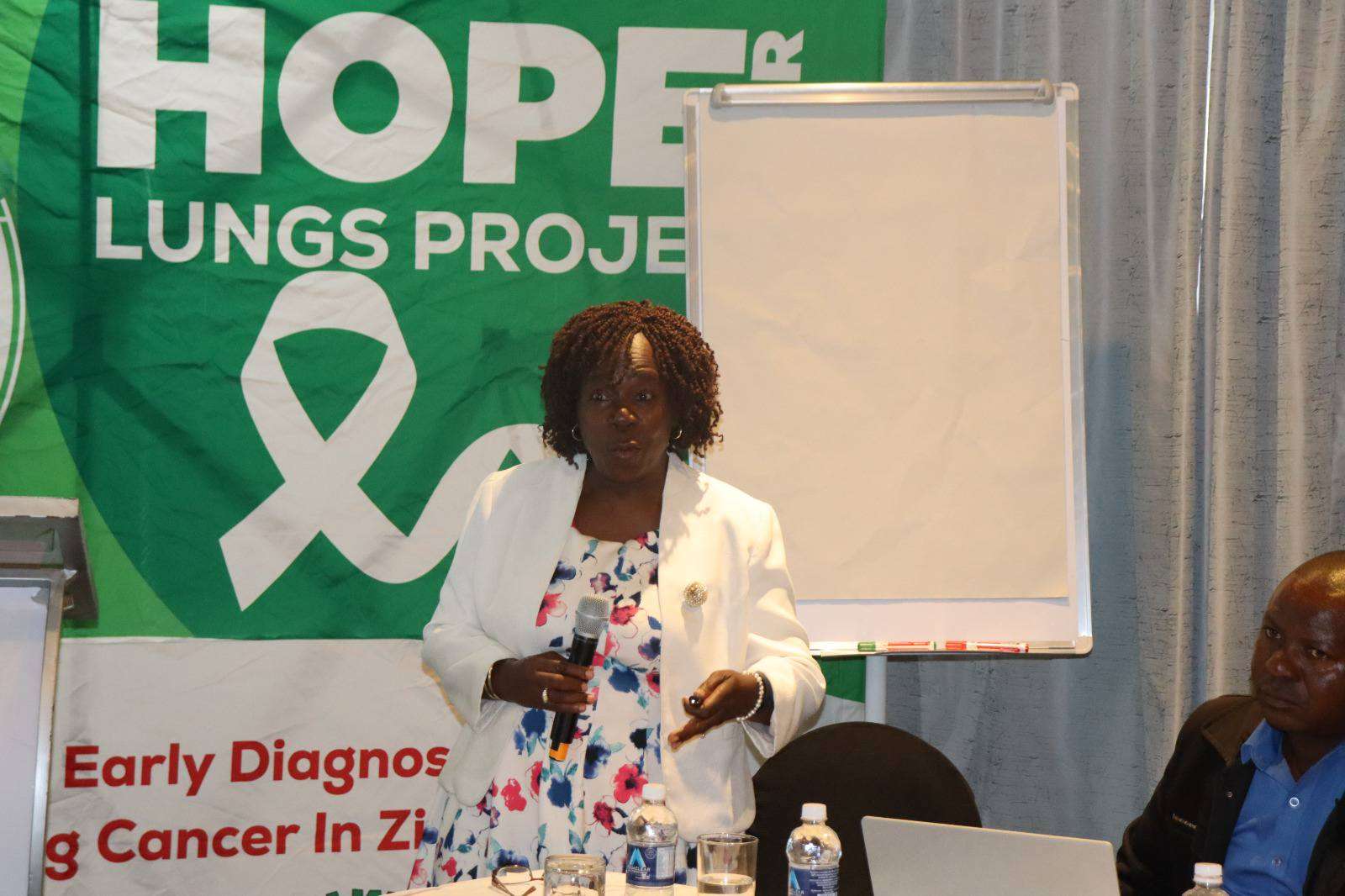
(a) Early detection and improved management of conditions such as cancer, diabetes, and hypertension. (b) Community education and promotion of healthy lifestyles to reduce risk factors, including tobacco use, unhealthy diets, and physical inactivity.
3. Enhancing Mental Health and Psychosocial Well-Being
We promote mental well-being by:
(a) Expanding access to mental health and psychosocial support services.
(b) Reducing stigma and increasing community awareness of mental health conditions.
(c) Supporting suicide prevention through community-based interventions.
4. Strengthening Health Systems and Community Responses
We strengthen health systems to ensure sustainable impact by:
(a) Improving the resilience of healthcare infrastructure in both rural and urban settings.
(b) Supporting health worker capacity development, retention, and performance.
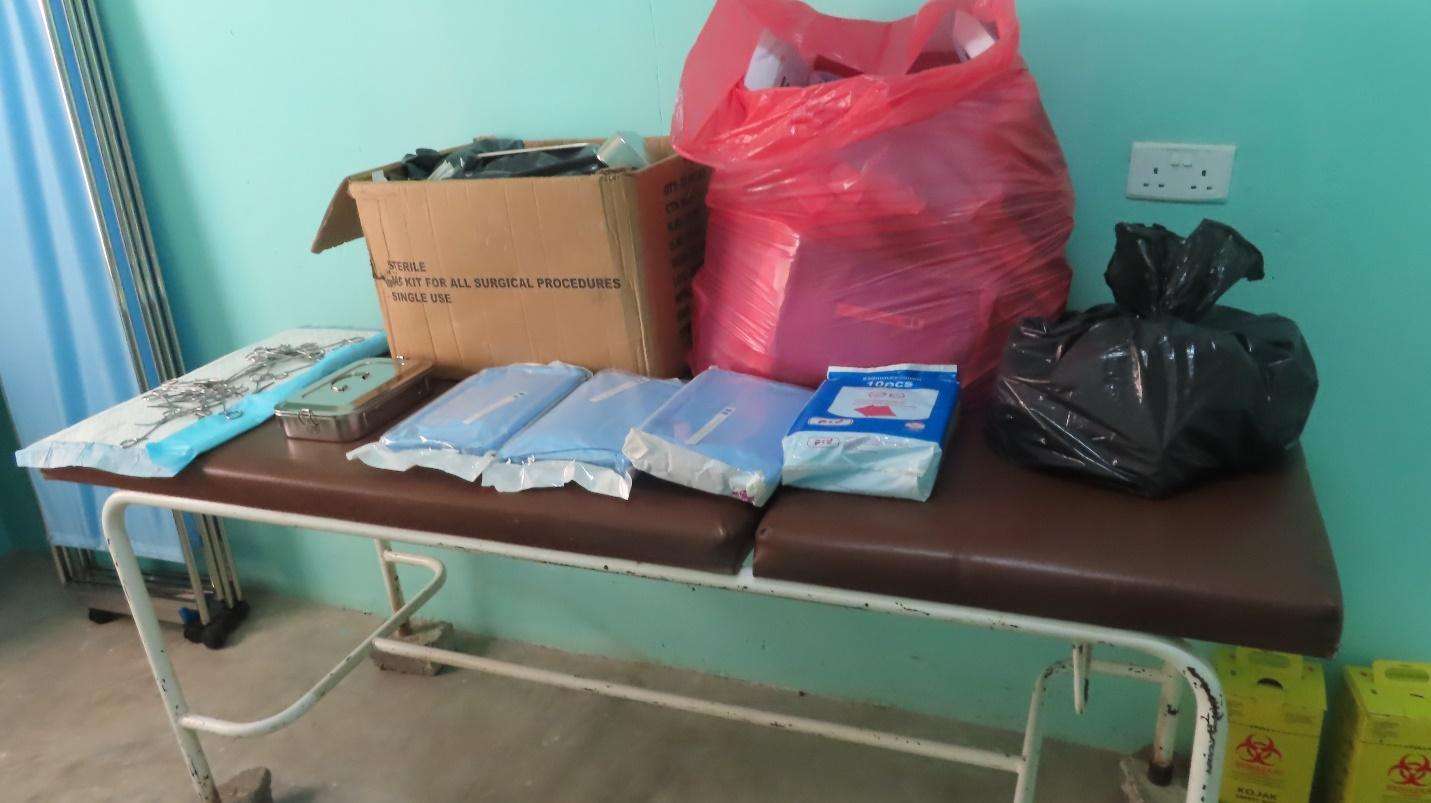
(c) Promoting consistent availability of essential medicines and medical supplies.
(d) Strengthening community–clinic collaboration and community-led health responses.
5. Our One Health ApproachWe adopt a One Health approach—a collaborative, multi-sectoral strategy that recognizes the close connection between human health, animal health, and environmental health. By working across disciplines and sectors, we address health risks at their source, improve preparedness for emerging threats, and promote healthier communities and ecosystems.


OneImpact Zimbabwe App
At Jointed Hands Welfare Organization, we believe in the power of the community and the importance of amplifying the voices of those directly affected by tuberculosis (TB). Communities are more than just recipients of care and have the power to meaningfully contribute to the improvement of the quality of health services. As a result, we partnered with the Ministry of Health and Child Care to develop the OneImpact Zimbabwe application.
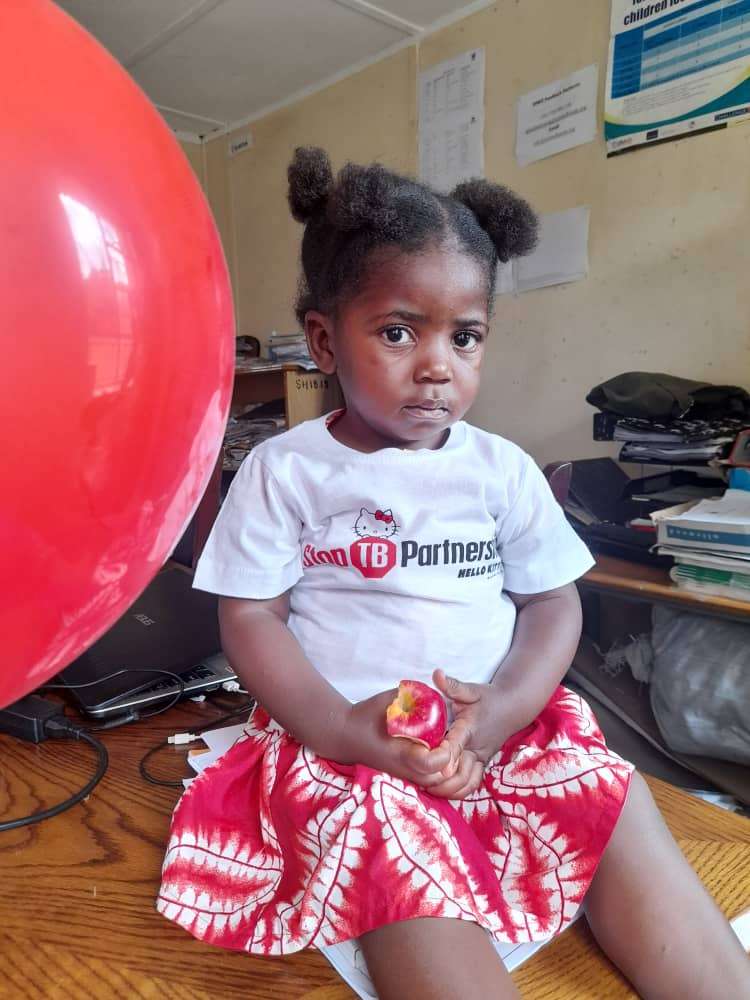
OneImpact Zimbabwe App is a Community-Led Monitoring solution that empowers people affected by TB, especially Key and Vulnerable Populations, to be active participants in the TB response. Developed with support from the Stop TB Partnership, this innovative app is transforming the landscape of TB care and support in Zimbabwe. The app serves as a vital tool for users, offering a wealth of features that enhance their journey with TB.
Through OneImpact App, communities can:
i) Ensure quality, accessible, and stigma-free TB care and support services.
ii) Connect with each other to strengthen the movement of TB-affected people.
iii) Directly engage with key decision-makers and stakeholders,
Hold the TB response accountable for meeting the needs of all affected communities.
Through OneImpact App, communities can:
i) Ensure quality, accessible, and stigma-free TB care and support services.
ii) Connect with each other to strengthen the movement of TB-affected people.
iii)Directly engage with key decision-makers and stakeholders.
iv) Hold the TB response accountable for meeting the needs of all affected communities.
The development of the OneImpact Zimbabwe App marks a pivotal step forward in creating a more inclusive and responsive health system. By prioritizing the voices of TB-affected individuals, we are not just addressing a health challenge; we are fostering a movement that champions human rights, enhances accountability, and promotes social equity. Plans are underway to include other health conditions like Diabetes Mellitus, Cancer, HIV, and others within the App.
Join us on this revolutionary journey as we continue to make a tangible difference in the lives of those impacted by TB. Together, we can build a future where everyone affected by TB is supported, heard, and empowered. Explore the OneImpact Zimbabwe App today, click here on Play Store for Android users and click here for IOS users.
-
Riverdale Health Centre
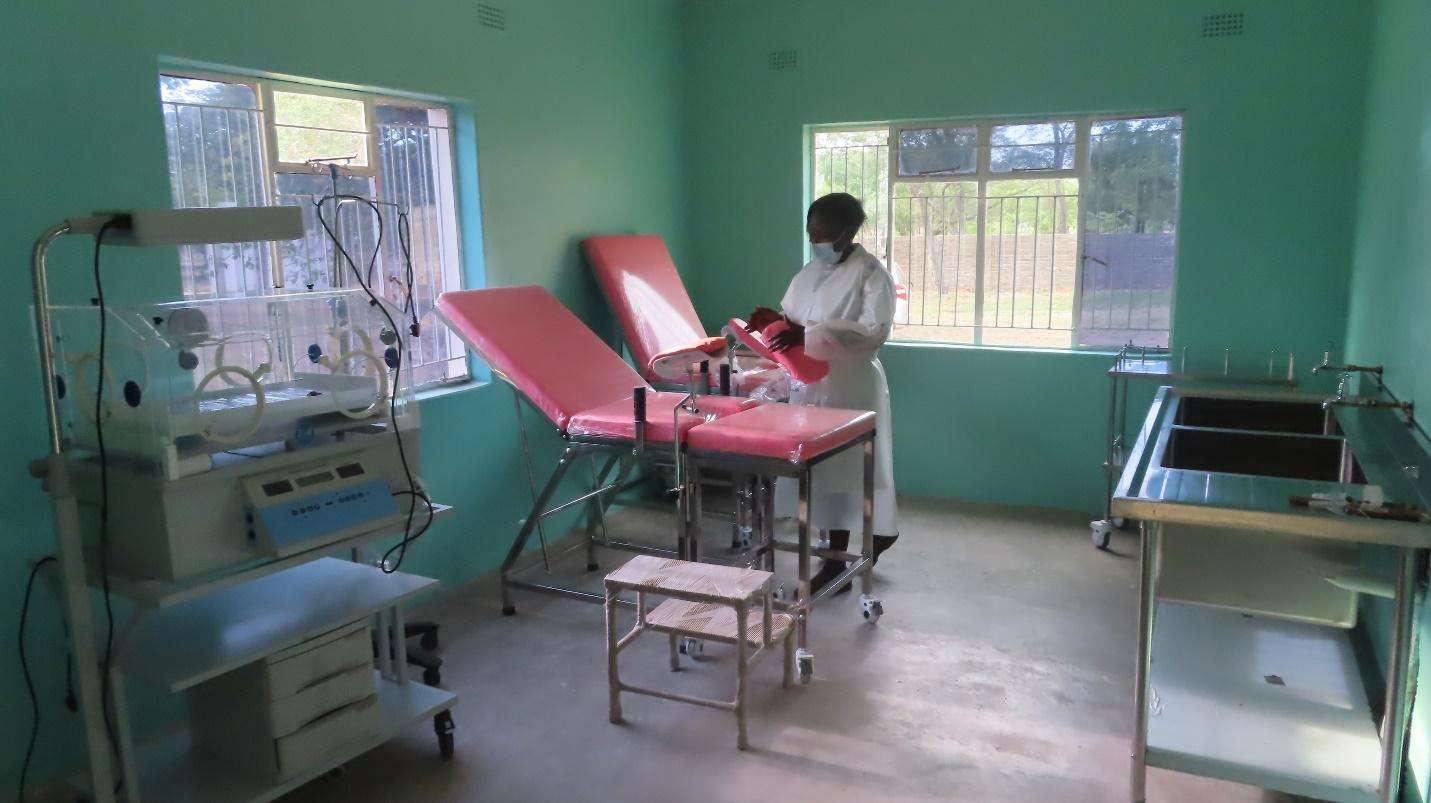
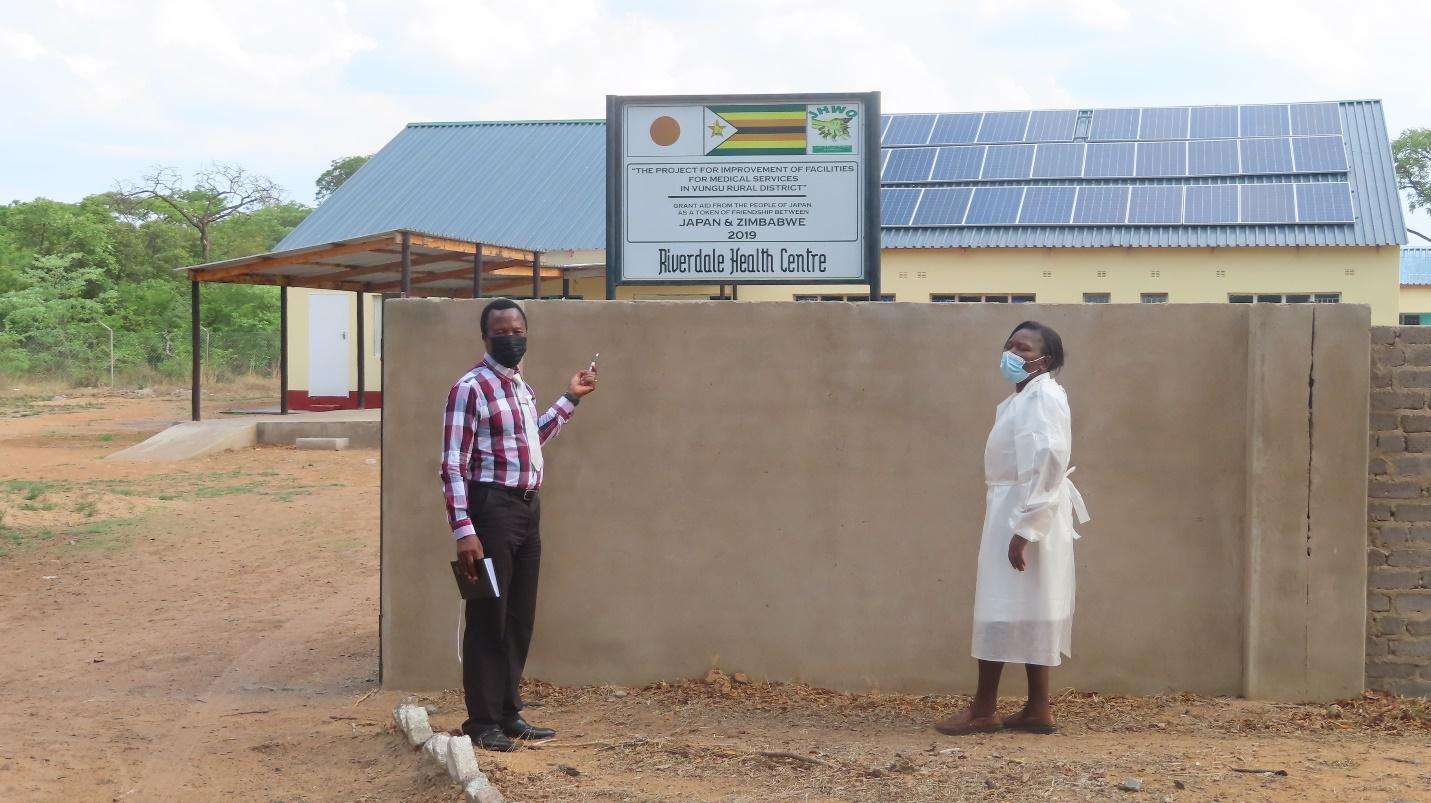
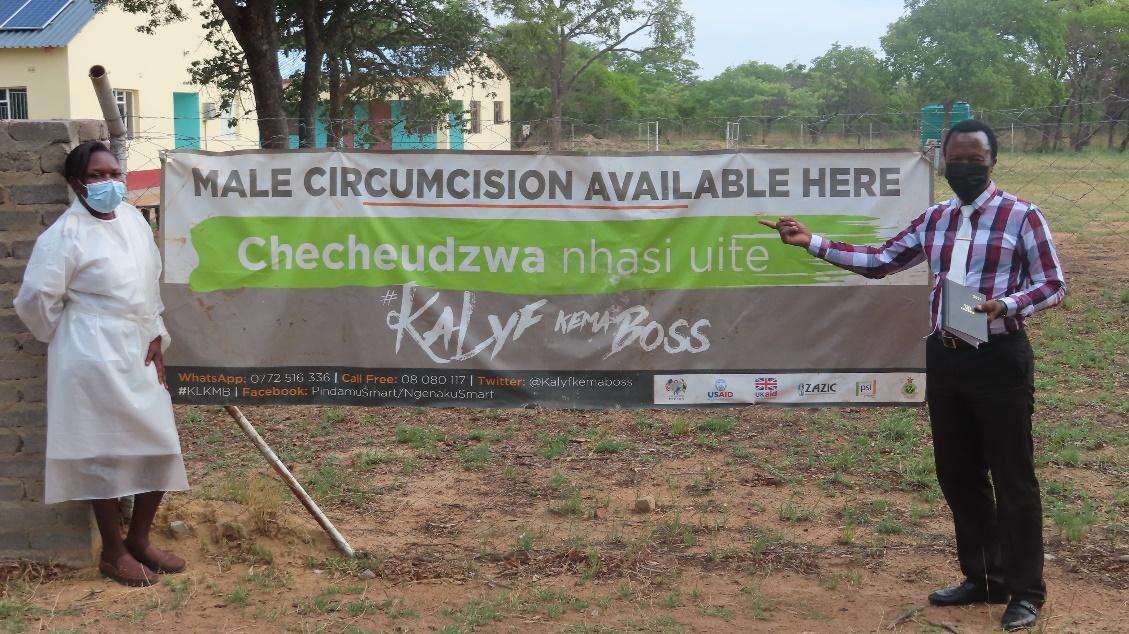
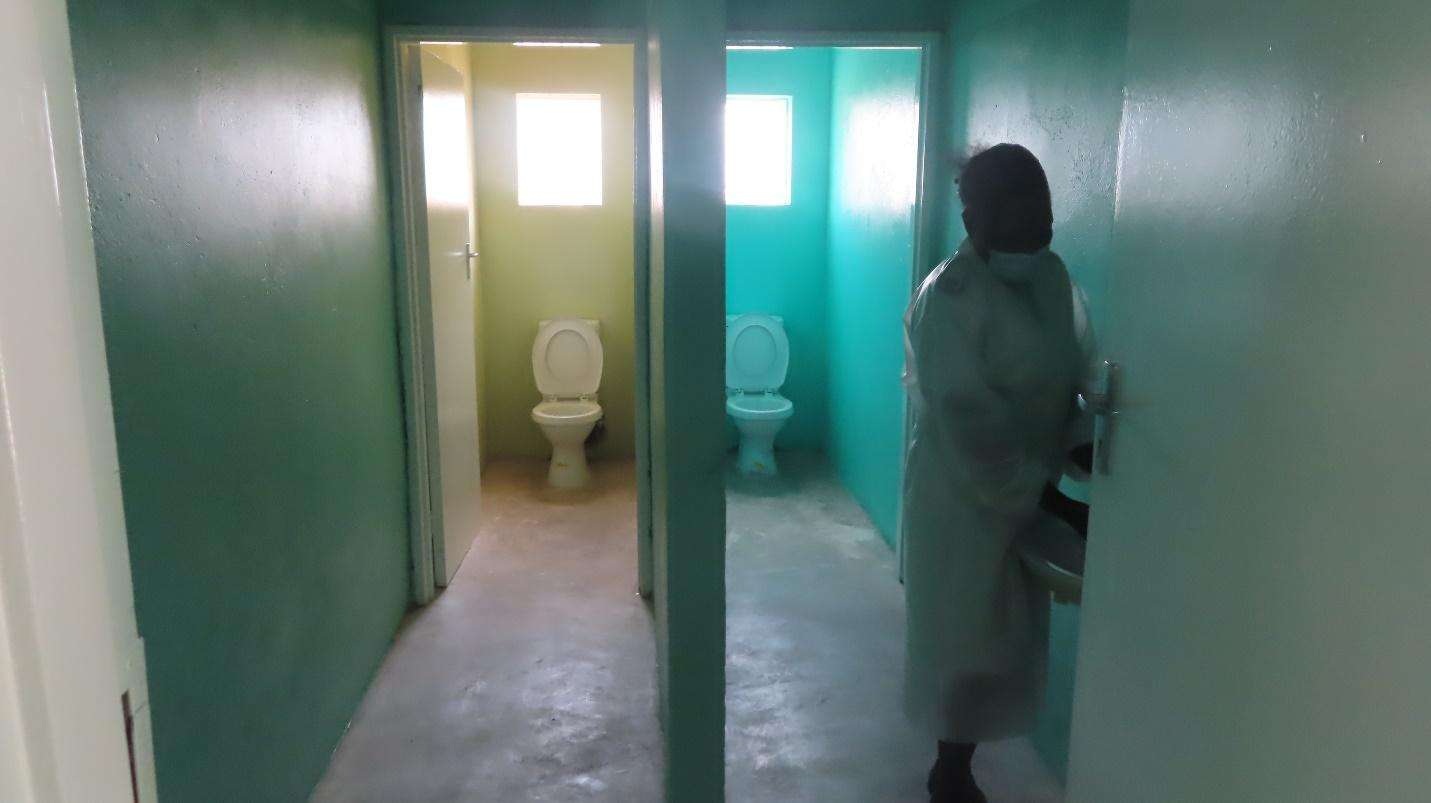
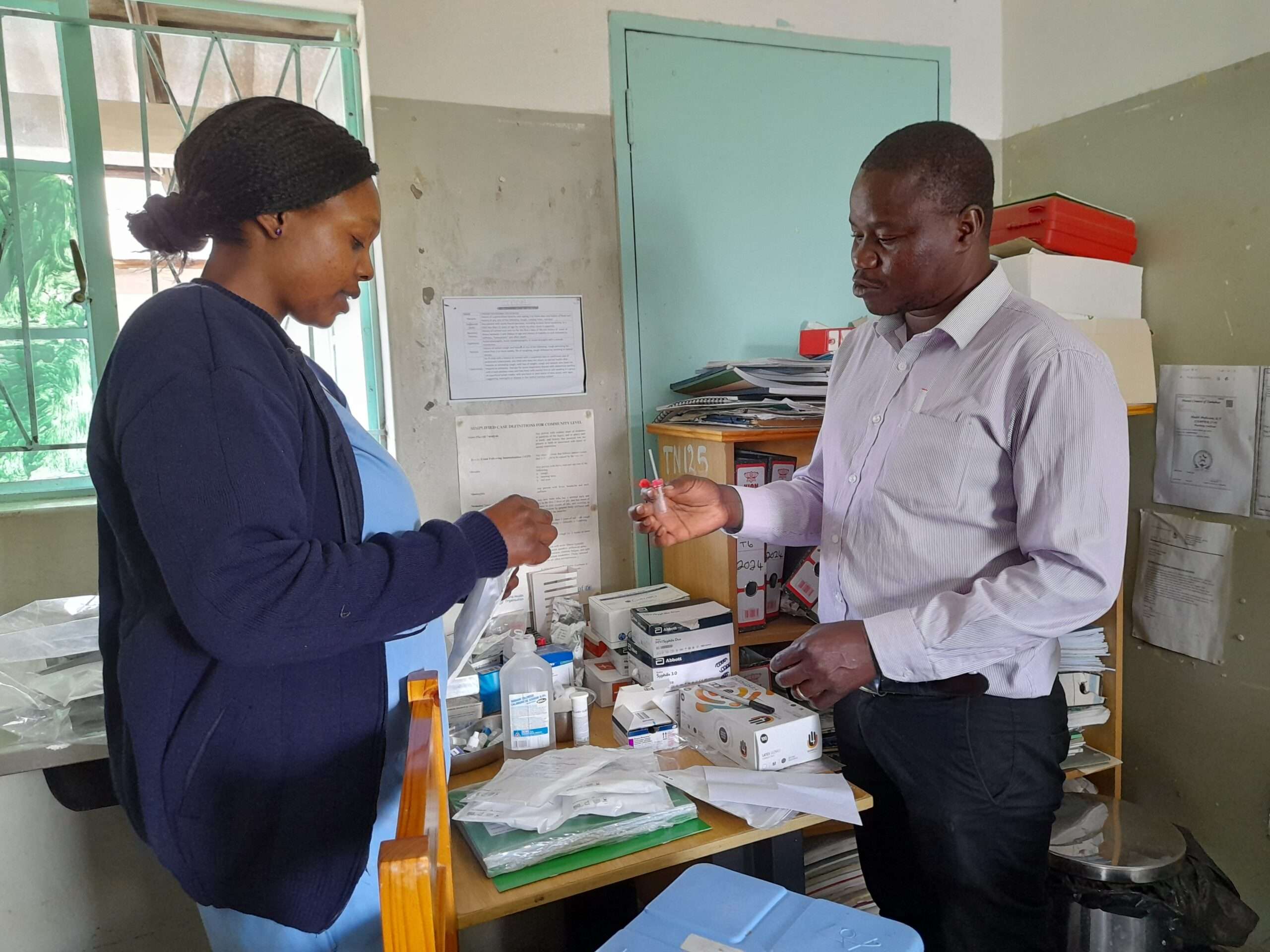
Jointed Hands with support from the Japanese Embassy built and is in a public-private partnership with the Ministry of Health and Child Care and the Vungu Rural District Council running the Riverdale Health Centre- a state-of-the-art health center with a PHC facility, delivery and post ANC and Laboratory facilities in a 6.2Ha plot that also provides other initiatives such as Nutrition, PSS, Team building, climate change resilience and other health-related support capacity strengthening initiatives. Riverdale Health Centre opened its doors to the community on 23 September 2021 with support from the Japanese Embassy. The establishment of the Health Centre came about because of the need to offer health care services in a newly resettled area and equally an opportunity for advocacy as the resettlement program did not put-up facilities in the newly resettled areas. - Riverdale Health Centre was put up so that it could be a centre of excellence that demonstrates that health is not merely the absence of disease, but a state of complete well-being. Before the clinic began offering services, the inhabitants of Riverdale area and other surrounding communities had to seek health services in either Gweru, Connemara or Kwekwe. The Health Centre has a clinic and a laboratory on site. Riverdale Laboratory commenced specimen processing on 10 February 2022, and it supports 11 health facilities in Gweru district.
- The organization's current focus is on the One Health approach- including pandemic prevention preparedness and response (PPPR). The Laboratory will be expanded to cater to animal and environmental health, including food safety.
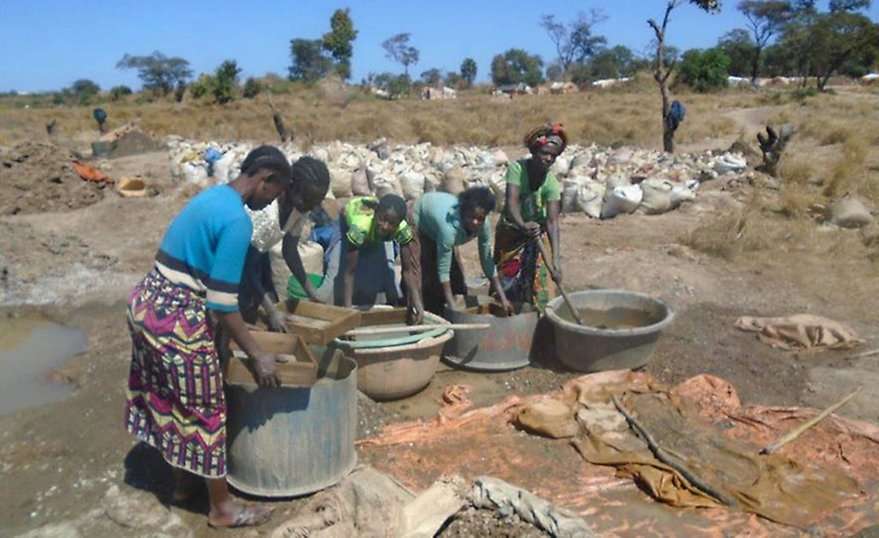
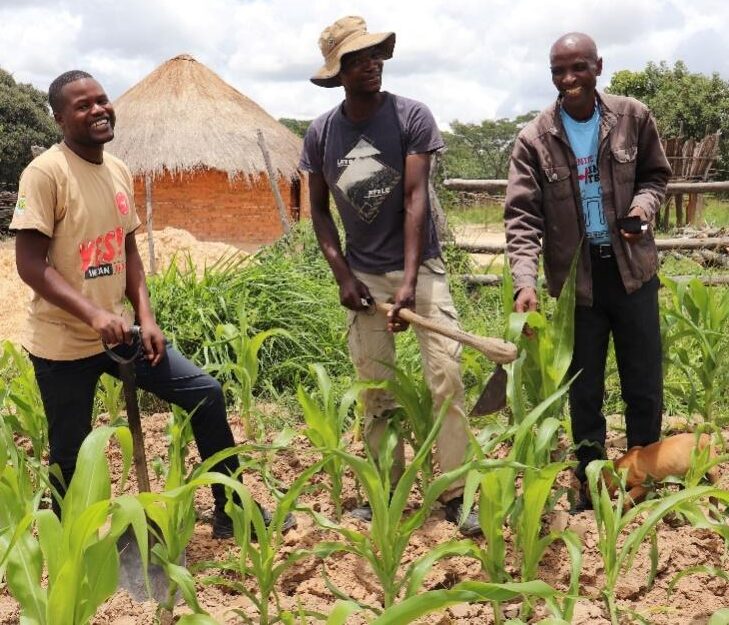
Our Social Protection and Development pillar exists to improve the well-being of individuals and communities so they can reach their full potential, particularly in the context of Zimbabwe’s ongoing socio-economic challenges, which were further amplified by economic shocks. We invest in people-centred approaches that strengthen resilience, reduce vulnerability, and promote inclusive development.
Our Focus Areas:
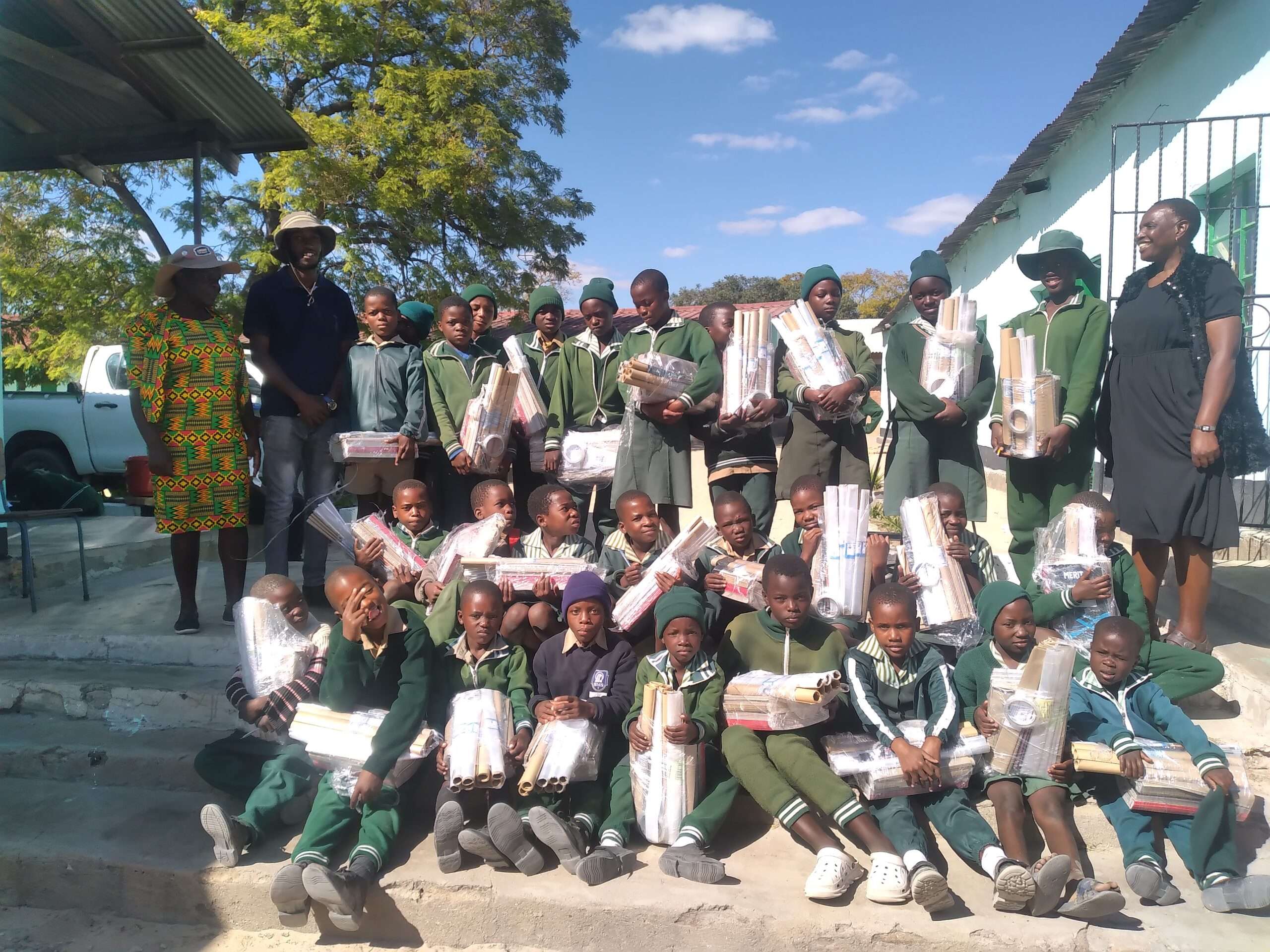
- Education and Skills Training: We support access to quality education and vocational skills training to equip vulnerable and marginalised groups with the knowledge and competencies needed to improve livelihoods and achieve self-reliance.
- Social Protection and Care: We implement responsive social protection interventions that provide safety nets for orphans and vulnerable children, children living and working on the streets, adolescents and youth, persons with disabilities, and older persons. Addressing drug and substance use is a core component of this pillar, reflecting the growing social and economic risks associated with substance abuse.
- Community Development: We engage community leaders and members to co-design and implement locally driven development initiatives that are responsive to community needs, priorities, and capacities.
- Advocacy and Social Inclusion: We advocate for inclusive policies, positive social norms, and equitable access to resources that promote social equity, protect human rights, and enable sustainable, systemic change.


Climate change presents significant threats to both human well-being and natural ecosystems, with its impacts falling most heavily on marginalized and vulnerable communities. These impacts are closely linked to existing social determinants such as poverty, geography, education, and limited access to resources and services.
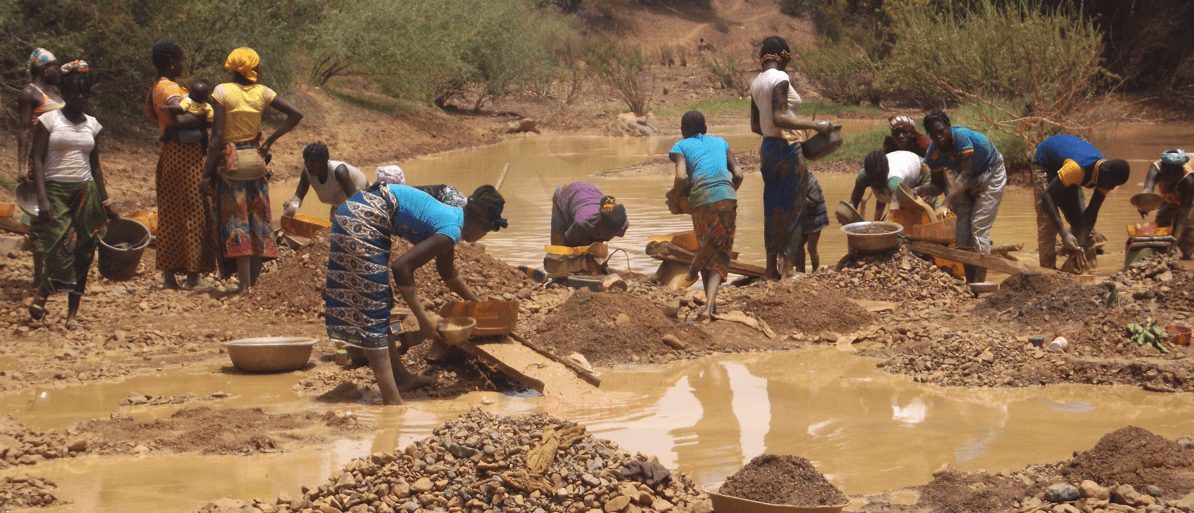
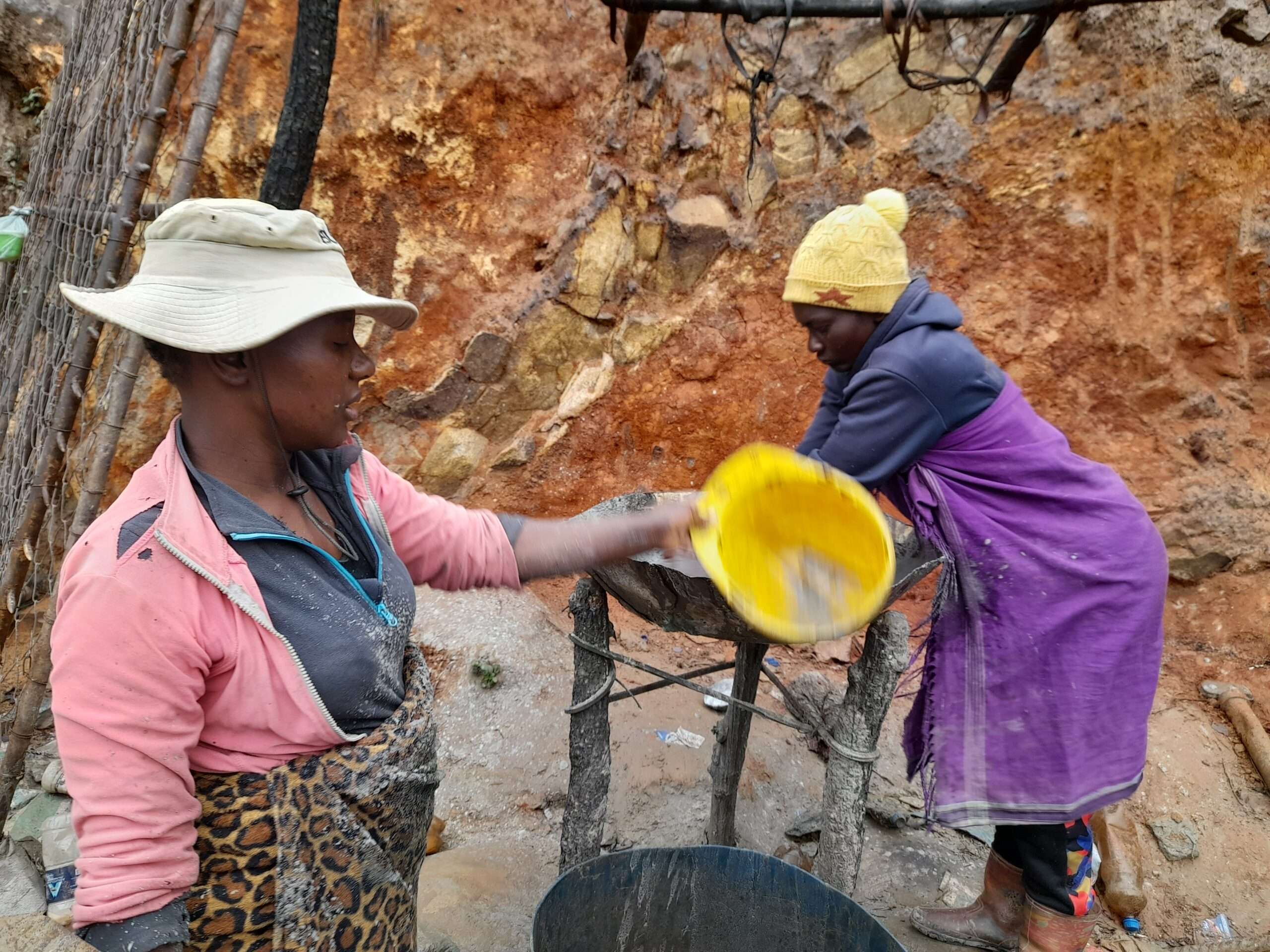
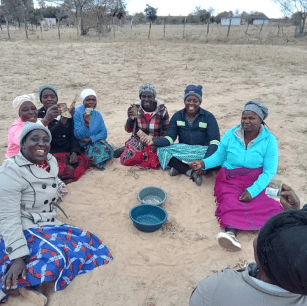
We recognize climate change as a cross-cutting development challenge that deepens inequality and undermines community resilience. Our approach prioritizes equitable, inclusive, and community-led climate action, ensuring that those most affected by climate shocks are empowered to adapt, mitigate risks, and shape solutions.
Through awareness, advocacy, and practical action, JHWO works with communities, local authorities, and partners to strengthen resilience, protect human rights, and promote a just transition toward a climate-resilient future. We place grassroots participation at the centre of climate decision-making and support locally driven solutions that respond to both socio-economic and environmental realities.
The pillar is guided by the following objectives:
-
1. Enhance Community Resilience:
Build adaptive capacity through sustainable livelihoods, climate-resilient infrastructure, and improved natural resource management. -
2. Promote Social Equity:
Ensure that women, youth, and other marginalized groups are meaningfully included in climate decision-making and benefit equitably from climate interventions. -
3. Advocate for Policy Change:
Engage local and national policymakers to influence inclusive and rights-based climate adaptation and mitigation policies. -
4. Foster Climate Education:
Increase community awareness of climate change causes, impacts, and locally relevant solutions. -
5. Empower Local Leadership:
Strengthen the capacity of community leaders to champion climate resilience and adaptation at local, regional, and national levels.
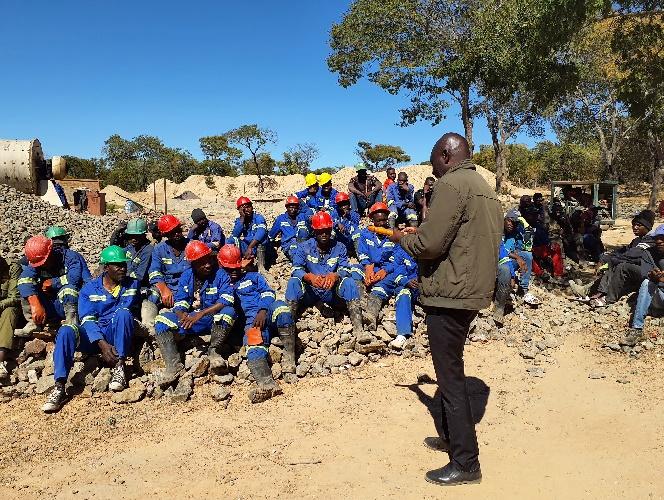
The Disaster Risk Management (DRM) and Resilience Strengthening pillar aims to reduce the human, social, and economic impacts of disasters through proactive risk reduction, preparedness, effective response, and sustainable recovery. Grounded in community empowerment, the pillar recognises communities as the first line of defence against shocks and focuses on strengthening their capacity to anticipate, absorb, and adapt to risks. JHWO mainstreams DRM across all programmes to build resilient, self-sustaining communities.
The pillar prioritises risk reduction by addressing underlying vulnerabilities such as poverty, weak infrastructure, and environmental degradation, while promoting hazard mitigation measures and climate-resilient livelihoods. Preparedness is strengthened through community-based early warning systems, disaster planning, training, and simulation exercises tailored to local risk profiles. During emergencies, we support timely, coordinated response mechanisms to protect lives and livelihoods, followed by recovery interventions that restore infrastructure and economic activities using a Build Back Better approach.
Resilience is further enhanced through community engagement, adaptive capacity building, and social protection mechanisms such as savings groups (ISALs), cash transfers, and food assistance. The pillar places strong emphasis on equity and inclusion, ensuring women, children, older persons, people with disabilities, and marginalized groups are actively involved in DRM decision-making. Finally, JHWO strengthens governance and policy frameworks by supporting institutional capacity, coordination, and evidence-based planning through improved data, risk assessments, and knowledge management.


The Strategic Information and Knowledge Management pillar emphasizes the importance of documentation, data-driven programming, and evidence-based advocacy. The focus of this strategic pillar is on improving the impact of programs through regular tracking of progress through outputs, outcomes, and impact measurement. It recognizes the importance of documentation and learning from the past through data collection, evidence-based research, and data use for decision-making.


Head Office
990 Sheffield Road Light
Industrial Site Gweru, Zimbabwe

Sub-offices
Harare, Chegutu, Kadoma, Kwekwe, Gweru, Chirumhanzu, Shurugwi, Zvishavane Bulawayo, Umzingwane, Gwanda,Insiza, Mwenezi, Bulilima, Mangwe, Plumtree & Nkayi.

Phone Number:
+263 54 225601/2/3